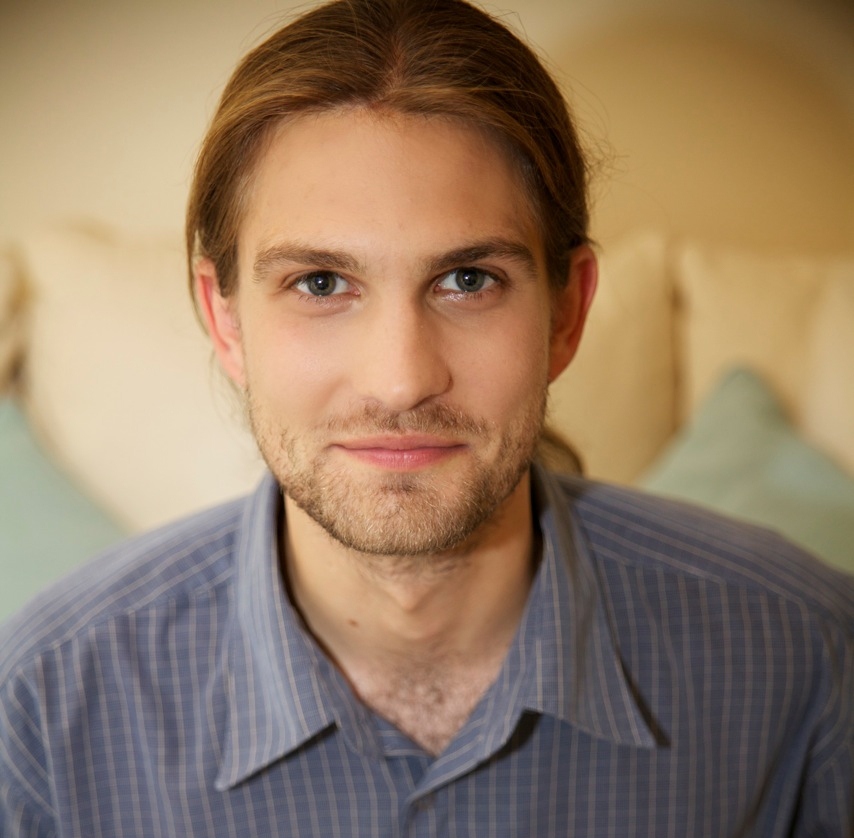
I trained at the College of Integrated Chinese Medicine (CICM), gaining a Licentiate in Acupuncture as well as a First Class BSc (Hons.) degree in Acupuncture from Kingston University in 2011 and have been practising since then. I was Professional Practice Programme leader for 6 years for the Acupuncture BSc degree course at CICM and remain a dissertation supervisor. I am registered with the local area authorities and abide by their Codes of Safe Practice. I hold full Professional Indemnity and Public/Products Liability insurance as well as a valid First Aid certificate. I am a registered member of the Association of Acupuncture Clinicians (AAC), abiding by their codes of professional practice. Private Health Insurers that currently recognise AAC members can be found here.
Having previously gained a First Class BSc (Hons.) degree in Marine Biology, I have a keen interest in practising acupuncture in a way that demonstrates clear clinical efficacy and has a sound physiological basis, while also remaining true to the holistic understanding that this ancient medicine has to offer.
Acupuncture Styles
I practice a mix of styles of acupuncture, including more modern approaches for pain and sports injuries using special motor and trigger points to restore muscle and nerve function and release muscle knots. I also utilise more traditional approaches (collectively termed distal) that share similar principles of using acupuncture point on parts of the body that are distant from the affected site and are characterised by profound and instantaneous results with a variety of musculoskeletal and internal painful conditions. These include: Dr Richard Teh-Fu Tan’s Balance Method; Master Tung Acupuncture (who has been referred to as The Greatest Acupuncture Master who ever lived); Korean hand acupuncture; and Scalp and Ear acupuncture.
5 Element Acupuncture
I also incorporate 5 element style acupuncture into my practise, which offers beneficial insights into how our mental and emotional health are connected to our physical health. One of the advantages of Chinese Medicine is that it is excellent for giving an understanding of how seemingly unrelated health issues are connected and offers a mode of treatment that works alongside the body’s own natural healing responses which can reduce the necessity for symptom-masking drugs such as painkillers.
I aim to help patients to gain a deeper insight into the aspects of their lifestyle as well as their mental and emotional internal world that have contributed to their health complaint. I can then offer them suggestions to help maintain wellbeing and an enhanced quality of life alongside the acupuncture treatment.
Mind-Body Therapies and Practices
In addition to acupuncture, I have spent many years as a Qigong practitioner, a system of gentle physical movements and internal awareness used to promote healthy blood and lymphatic flow, maintain flexibility, calm the mind and promote health and wellbeing.
I have studied Non-Violent Communication, a powerful tool for mediating conflict between human beings and addressing shared human needs.
I am practice meditation on a (nearly) daily basis
I have studied and trained in the Three Principles, an understanding that explains how human experience is generated from the inside out. Sharing this understanding can have transformative effects, enhancing wellbeing alongside the effects of acupuncture.